Tankless Water Heater Hot Then Cold? 6 Causes and What Fixes Them
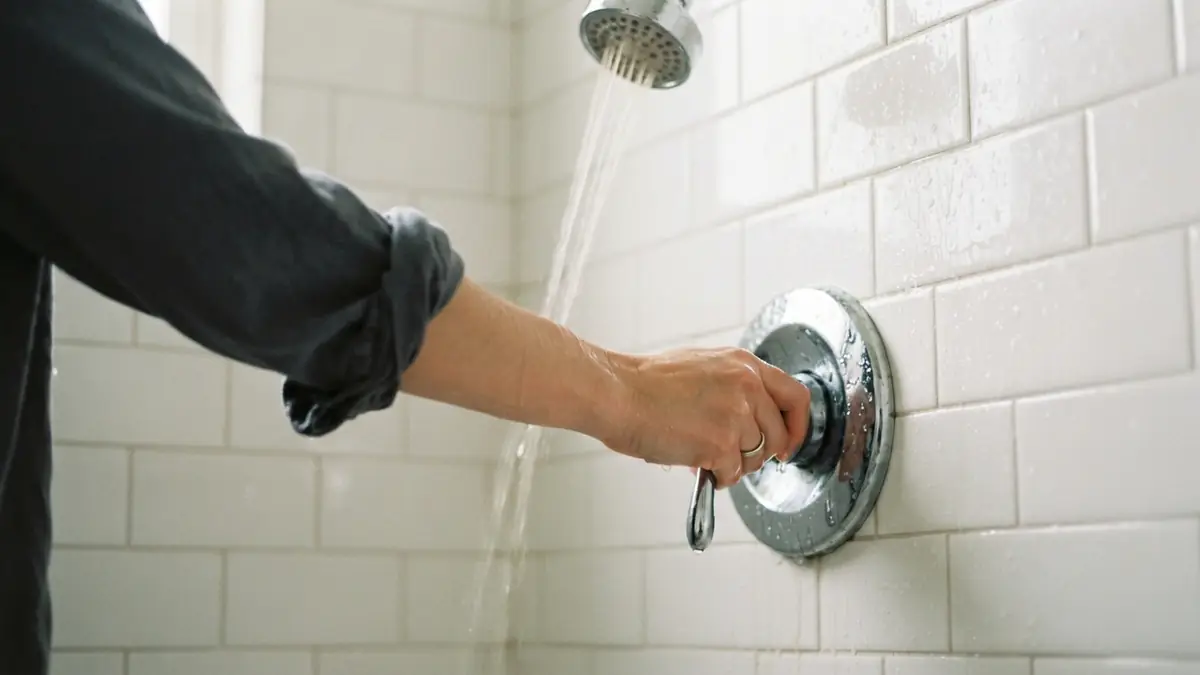
Hot, then a blast of cold, then hot again is one of the most common tankless complaints. A tankless water heater hot then cold can be a normal quirk of how the unit starts, or it can be a fault, and the difference is how often it happens and when.
A quick sort: a few seconds of cold after you reopen a tap is the unit starting up. Water that swings while a tap stays open, or that goes cold and stays cold, is worth chasing. The six causes below run roughly from harmless to technician-only. If you would rather have the unit tested, call a local technician.
1. The cold water sandwich
When you open a tap, a flow sensor detects water moving, the board runs its safety checks, and then the burner or the electric elements fire. That start-up delay is the cold water sandwich: a short run of cold between the hot water already sitting in the pipe and the new hot water coming from the unit. Close a tap briefly and reopen it, and the unit has to repeat the whole sequence.
If it is brief and predictable, it is normal. It is also a reminder that a tankless gives you unlimited hot water, not instant hot water.
2. Flow that is too low for the unit
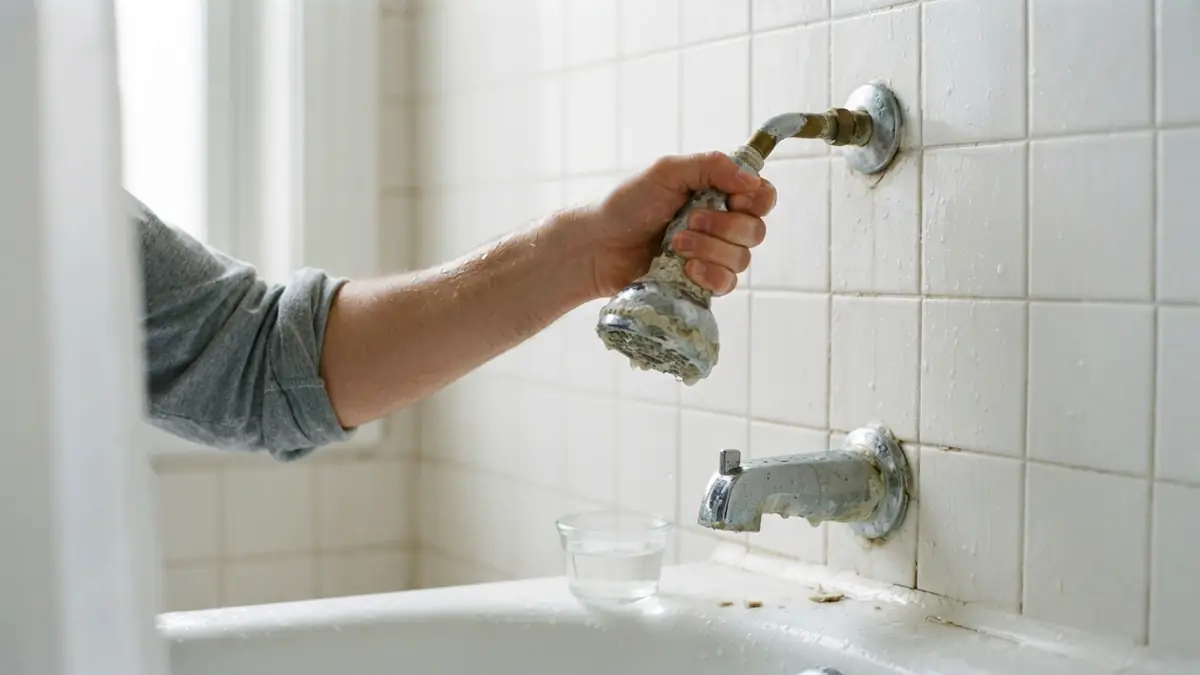
A tankless unit needs a minimum flow to stay lit. Below that, the burner can drop out and the water goes cold until you open the tap wider. Clogged aerators, a blocked shower cartridge and a dirty inlet filter all cut flow. One Navien owner whose water went cold mid-shower was told the shower cartridge was probably clogged.
Take the shower head off and run the water. If the flow improves and the cold spells fade, you have found it. Soak aerators in vinegar and clean the inlet filter with the unit off and the water closed. A cartridge inside the shower valve is a plumber's job. The guide to a unit that keeps shutting off covers the same checks in more detail.
3. A flow sensor that is starting to fail
The flow sensor is what tells the unit that water is moving. When it begins to fail, it can read flow on and off while the tap stays open, so the burner starts and stops and the water swings. One owner whose unit kept turning on and off while water ran traced it to a bad flow sensor. Replacing a sensor is technician work, and it falls in the estimated $150 to $800 range for part repairs.
4. Scale on the heat exchanger
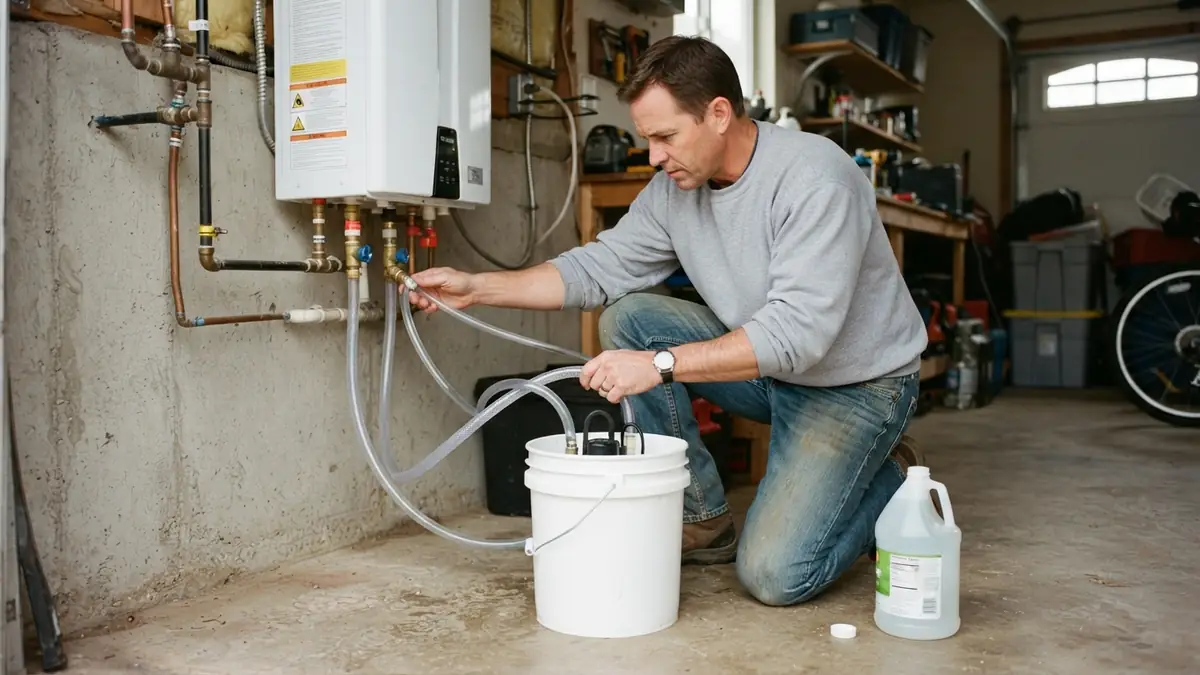
Cycling between warm and hot usually means scale. Scale insulates the heat exchanger, so the unit works harder, trips its temperature limits and loses flow. A yearly flush is what makers ask for, with a shorter gap on very hard water. If yours has not had one, flushing the unit is the most likely fix.
5. Cold water crossing over to the hot side
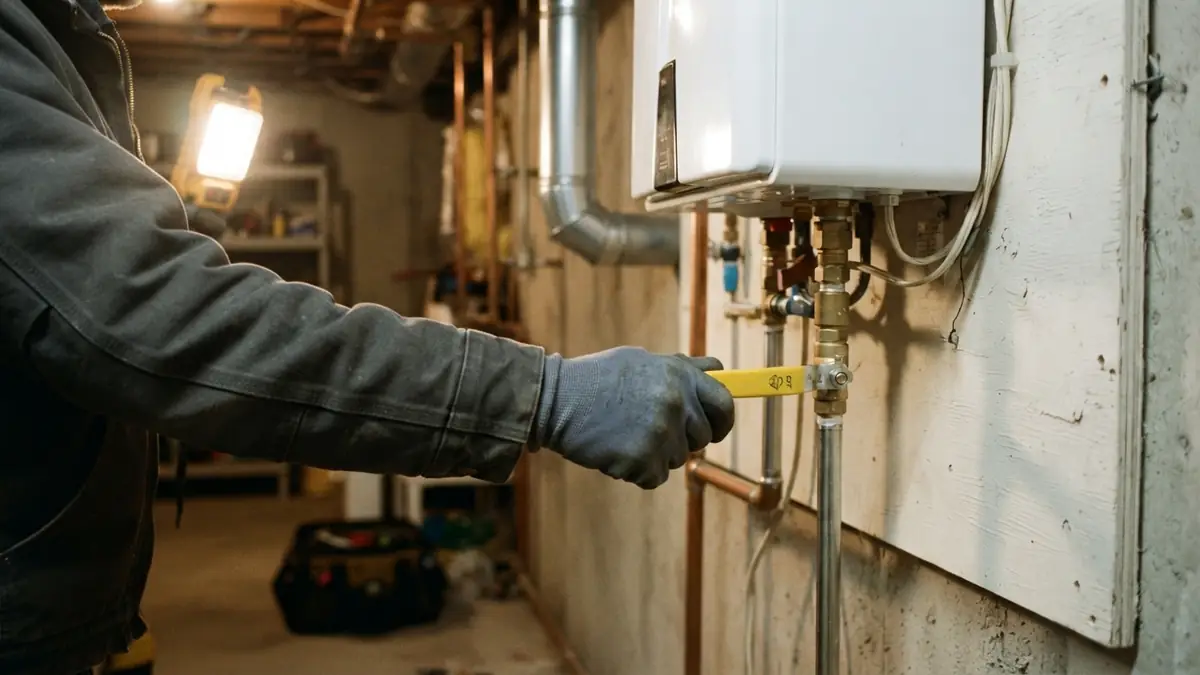
If the hot and cold lines are connected somewhere, cold water leaks into the hot side and waters down what the unit makes. Plumbers use a simple test. Switch the unit off, close both of its water valves, then open the hot side of a two-handle faucet in the house. No water should come out. If water still flows, something is crossing over, and a failed mixing valve or a bad cartridge is the usual suspect. Open the valves again before you switch the unit back on.
If only one shower or one faucet does it, the problem is probably that fixture's own cartridge or mixing valve, not the heater.
6. Recirculation settings and too much demand
Some units have a recirculation mode, and the setting can make one cycle on and off. Navien's ComfortFlow models, for example, have a built-in pump and a small buffer tank that cut down the cold water sandwich. If a unit starts cycling continuously, look in the manual for its budget or comfort mode, or for how to turn recirculation off.
Demand matters too. A shower and a dishwasher running together can ask for more than the unit can heat at that flow, and a unit sized far above the household's needs can struggle at very low flows. Both show up as water that will not hold its temperature.
When it is time to call
If it happens every time you use hot water, if the unit shows a code at the moment it goes cold, or if the swings come with a slow drop in hot water over weeks, call a technician. Cleaning aerators and the filter, and flushing, are owner jobs. Flow sensors, mixing valves and recirculation pumps are not. A diagnosis is estimated at $100 to $250, and a descale is estimated at $150 to $350.
Quick answers
Why does my tankless water heater go cold in the middle of a shower?
Most often the flow dropped below what the unit needs to stay lit, from a clogged aerator, shower cartridge or inlet filter. A failing flow sensor and scale on the heat exchanger are the next suspects.
What causes fluctuating water temperature on a tankless?
Scale, weak flow, a flow sensor that is failing, cold water crossing into the hot line, and recirculation settings. Swings at only one fixture usually come from that fixture's cartridge.
Why does my hot water go cold then hot again?
A short cold stretch after a tap is reopened is the unit restarting its safety checks. If it happens while the tap stays open, look for low flow, scale or a bad flow sensor.
Can the cold water sandwich be fixed?
It can be reduced a lot with a recirculation pump or a unit that has a built-in buffer tank. Without one, a short cold spell after a pause is part of how the unit works.
Still no hot water?
A technician who works on tankless units can test it and price the fix in writing.